The art of simultaneous interpretation
Simultaneous interpretation is often described as one of the most cognitively demanding tasks a human can perform. Here's what goes on behind the scenes.
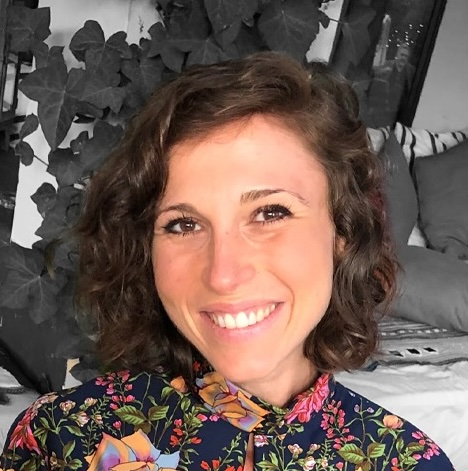 Written by Stefania Gobbi
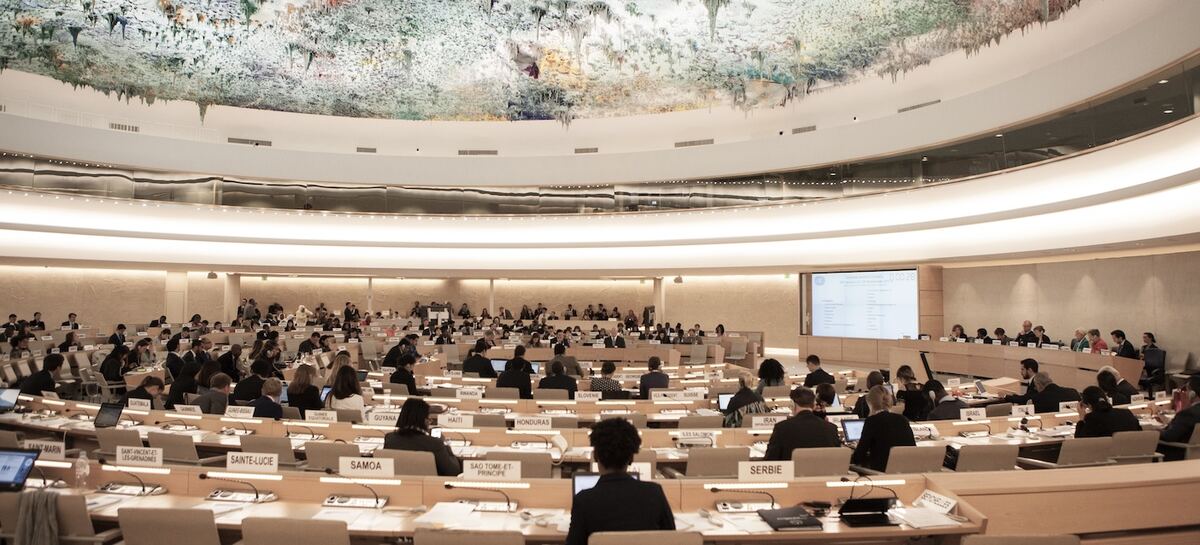
Simultaneous interpretation is often described as one of the most cognitively demanding tasks a human can perform. Unlike consecutive interpretation, where the speaker pauses to allow the interpreter time to translate, simultaneous interpreters must listen, process, and speak all at the same time.
The cognitive challenge
When I’m in the booth at a major conference, my brain is performing multiple parallel operations:
- Listening to the source language
- Comprehending the meaning and context
- Reformulating the message in the target language
- Speaking the translation
- Monitoring my own output for accuracy
All of this happens with a delay of just 2-3 seconds behind the speaker.
Preparation is everything
Good preparation matters at least as much as language ability. Before any event, I spend hours:
- Researching the subject matter
- Building specialized glossaries
- Reviewing speaker materials and previous presentations
- Understanding the cultural context of both audiences
I’ve written more about that in the preparation piece.
The booth environment
Working in an interpretation booth requires its own set of skills. Temperature control, lighting, and even the angle of your materials can impact performance during a long session.
Most importantly, interpreters work in pairs, switching every 20-30 minutes to maintain peak cognitive function. This teamwork is essential for quality output.
Machine translation has come a long way. It still struggles with cultural reference, register, and speaker intent. That gap is where I earn my place.
If you’re planning an international event and need interpretation services, get in touch. I’d love to discuss whether I’m the right fit for your event.
Learn more about my simultaneous interpreting services or explore the different types of interpreting to find the right fit for your event.